
A letter from our founder.
Before the Rush
This collection began with the care I grew up around and a question I kept returning to: what would it mean to give some of that care back to the woman who usually provides it?
Alvin, Founder of Auralia
I grew up watching my mother and great-grandmother take care over things. They noticed the quality of a fabric, but they also noticed when someone needed to be listened to. People came into their kitchen and felt welcome. There was something reassuring about being around them because you knew they would give you their attention. That stayed with me, and it has shaped what I want Auralia to become.
For this collection, I’ve been thinking about what it would mean to give some of that care back to the woman who usually provides it.
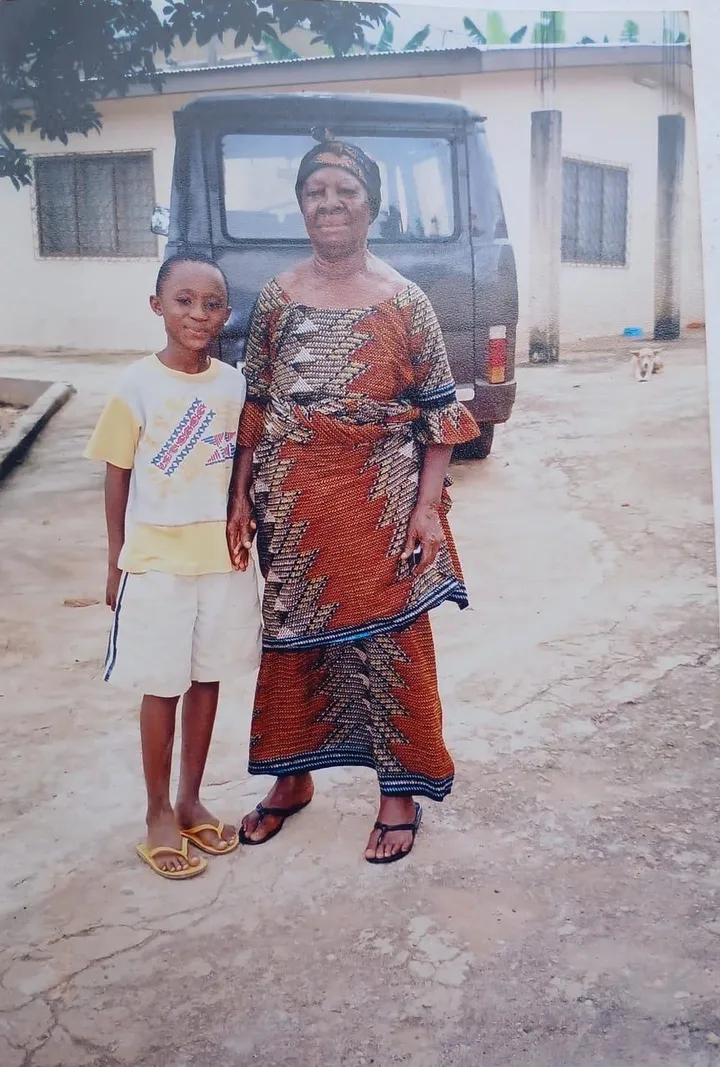
December brought that thought into focus. There is so much to enjoy about the season, but I keep thinking about the woman who makes it enjoyable for everyone else. She remembers what people like, makes the arrangements and notices what still needs doing. Even when she finally sits down, part of her attention is still on whether everyone has what they need. I wanted to create something with her own enjoyment in mind.
That is where Before the Rush begins. I’m imagining an evening when she arrives and someone else has thought about the details. There is a place for her, a drink she likes and a conversation she wants to join. She can settle into her chair without keeping an eye on the kitchen. For a while, she gets to enjoy the same care she is so used to giving.
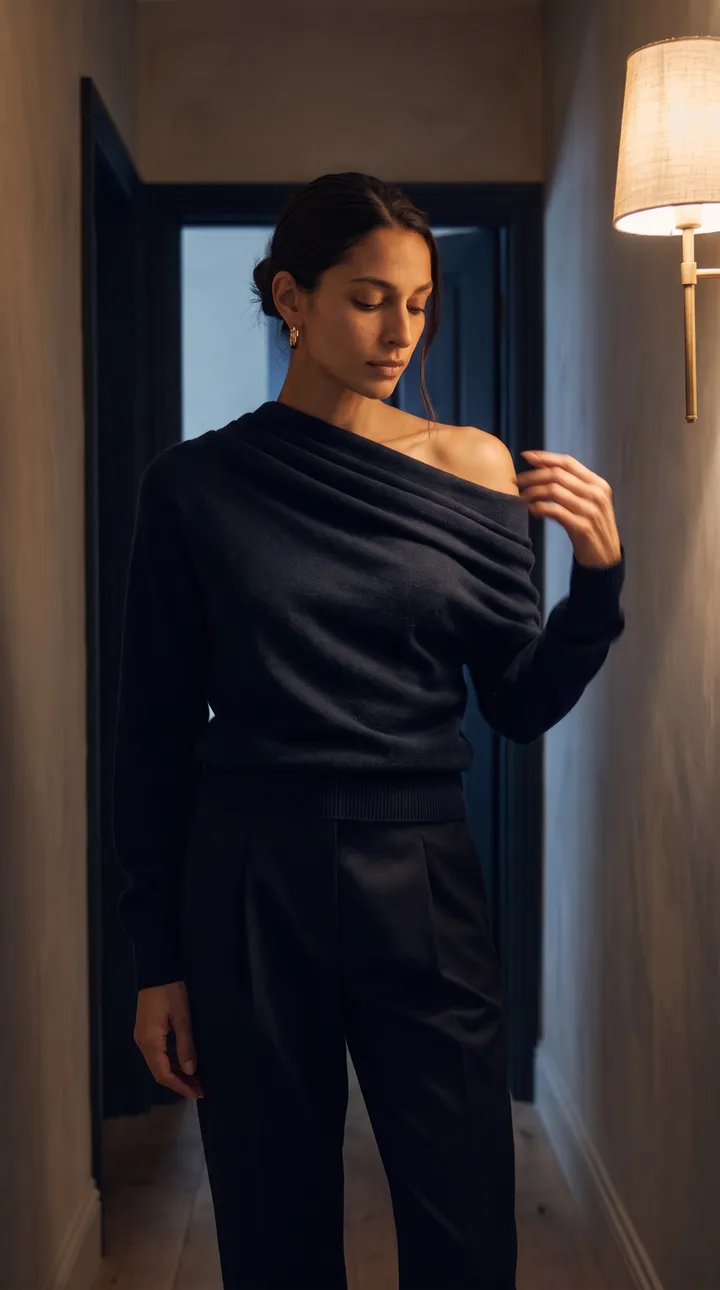
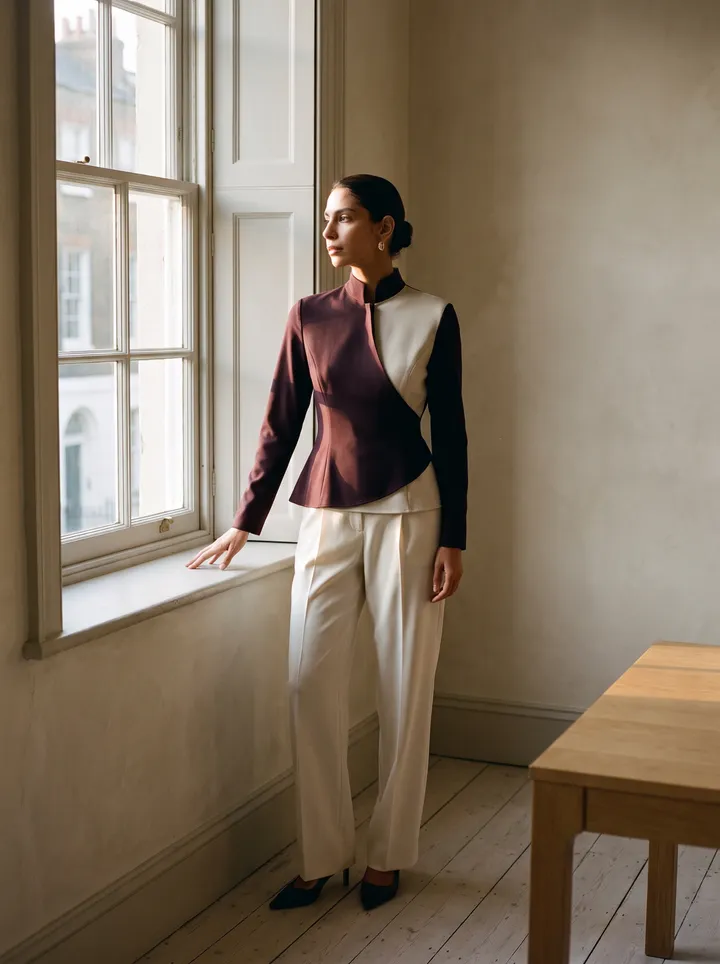
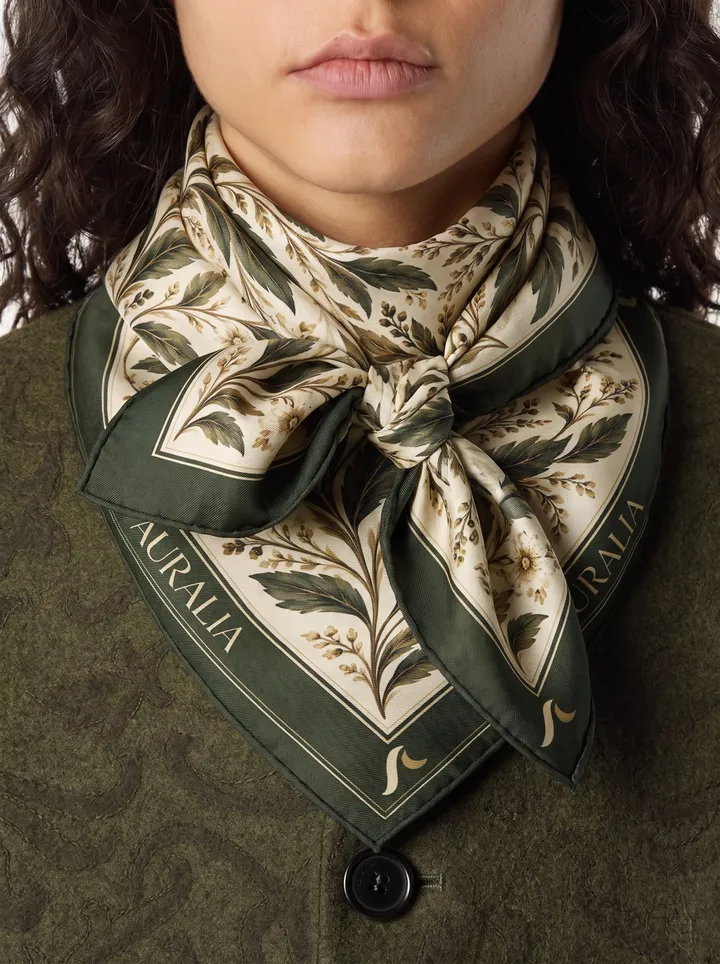
The clothes belong in that picture. We’re keeping the collection small, with two garment styles and one silk scarf design, built around three colour focuses. I want to give each piece enough attention to make it worth choosing and enough character to make it worth returning to. She should be able to bring it into the wardrobe she already has and find her own way of wearing it.
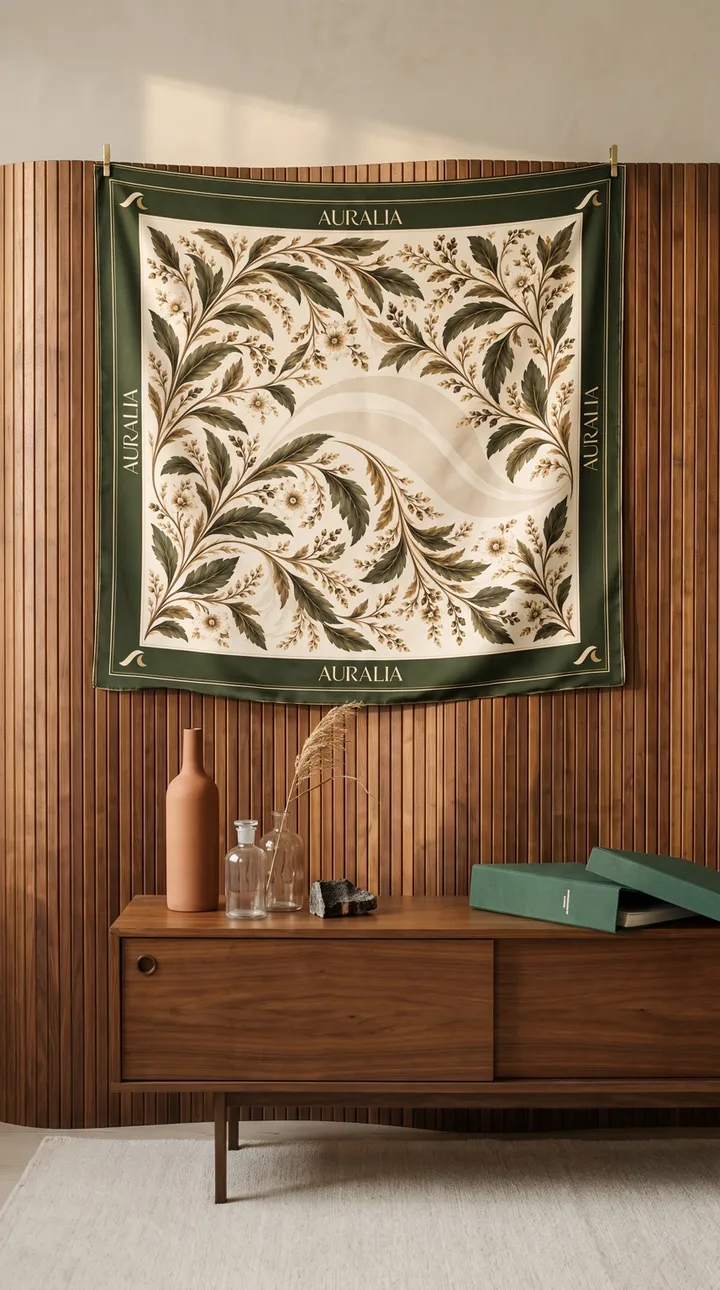
The two-tone top has a more defined shape, with that curve across the front and the contrast against ivory. The draped knit is a softer expression of the same idea. I’m interested in how a garment can have a distinctive shape while still allowing the person wearing it to feel at ease. The scarf brings another kind of pleasure through its botanical pattern. There is something to discover when it is opened out, and something different again when it is folded and worn.
I want these pieces to be beautiful. I want her to enjoy the colour, notice the line in the mirror and feel pleased that she chose them. Comfort should make that pleasure easier to live with. She shouldn’t have to give up the shape she loves just to get through an evening, or keep adjusting a neckline when she would rather be listening to someone.
That also means being careful about what we promise. A fabric feeling lovely in the hand is only the beginning. I want to know what happens when she sits down, reaches across a table or wears the piece for several hours. Does something start to bother her? Does the garment stay where she expects it to? How does it feel after being cared for? Those are the questions I want us to keep asking as we develop the collection. My own impression cannot be the only measure; the women wearing it need to help us understand what we have got right and what still needs work.
For me, that attention is part of the story. I hope she is first drawn to the clothes because she finds them beautiful, and then comes to trust them because of her experience. I want the care behind a piece to become apparent as she wears it.
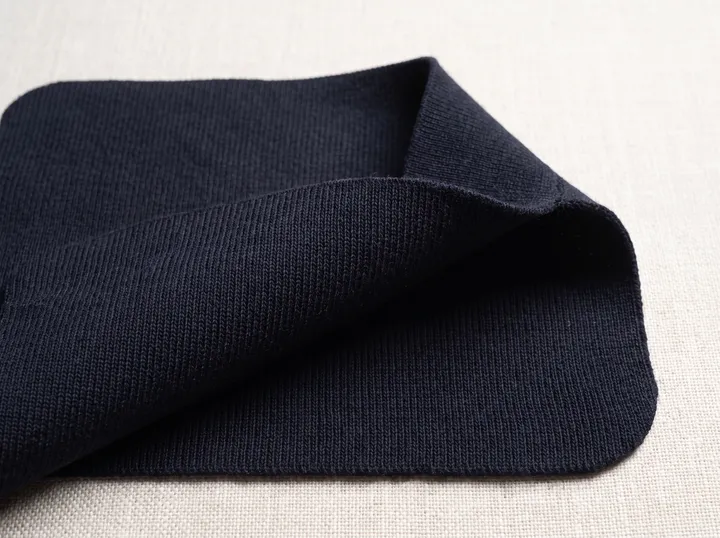
The world around the collection should have that same quality. I picture daylight falling across a wooden table, a lamp being switched on as the afternoon fades, and flowers arranged where people can still see each other across the room. There is richness in the pattern of the scarf and the surfaces around it. The room feels personal and used. It is somewhere you would want to spend time, where you can put your glass down and sit comfortably.
When we make photographs and films, I want the women in them to have a life beyond the image. They should be able to laugh, become absorbed in a conversation or disagree about something. I’m interested in their work and the things they enjoy, including the things they do simply for themselves. The makers and collaborators we invite should bring their own ideas, too. I want Auralia to be a place where that exchange can happen.
The Long Table is one way I want to put this into practice. The intention is to bring women together for an evening they can genuinely enjoy, without asking them to spend it promoting the brand. I want to welcome them properly, introduce people who might enjoy knowing each other and let the conversation develop. The woman who normally finds herself helping the host should feel comfortable remaining in her seat.
That feeling needs to continue beyond the evening. It should be there when someone asks us about fit, decides whether a piece is right for her or needs help after buying it. We cannot talk about respecting her time and then make dealing with us difficult. The way we sell and the way we respond are part of what I am building.
When I talk about an unhurried life, I don’t imagine a life without responsibilities or ambition. I imagine having moments you can actually enjoy while you are in them. You like what you are wearing, you are comfortable enough to stay, and you are interested in the person beside you.
That is the dream behind Before the Rush. I want to make beautiful clothes for those moments and build a brand whose care can be felt beyond them. When a woman encounters Auralia, I hope she recognises some of the attention I grew up around. More than anything, I want her to feel that someone has thought about her, too.